CDOT Brush Vehicle Storage Facility
Delivering a cost-effective maintenance facility through early collaboration and strategic preconstruction planning....
Read More →


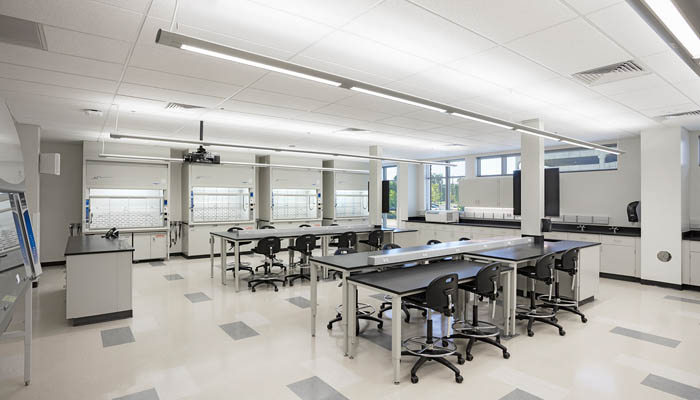
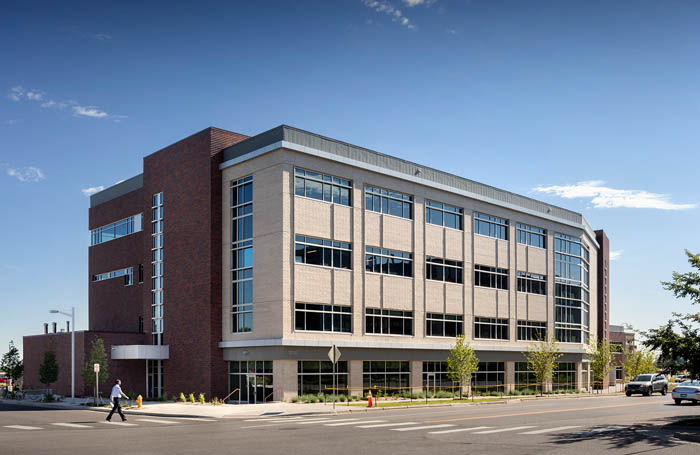
Delivered through a design-build partnership between Saunders Construction and MOA Architecture, Bioscience 2 is a 112,000-square-foot, four-story research and academic facility developed to advance education, research, and private-sector innovation within Colorado’s rapidly growing bioscience industry. Located in the Fitzsimons Life Science District on the Anschutz Medical Campus, the building was conceived as a collaborative environment where academic institutions, researchers, and biotechnology companies can work side by side to accelerate discovery and knowledge transfer.
The project was developed through a partnership between the University of Colorado Denver and the Fitzsimons Redevelopment Authority and serves as home to the University of Colorado Department of Bioengineering as well as a diverse mix of private biotechnology and research organizations. Designed to support organizations ranging from emerging startups to established industry leaders, the facility quickly demonstrated its value to the marketplace, achieving substantial occupancy before completion and reaching full occupancy shortly thereafter.
A key objective of the project was to create a flexible, future-ready laboratory environment capable of adapting to the evolving needs of bioscience research. Through early collaboration and integrated decision-making, the design-build team successfully addressed the owner’s concerns regarding budget, schedule, and project delivery while creating a facility equipped to support changing technologies and research methodologies for years to come.
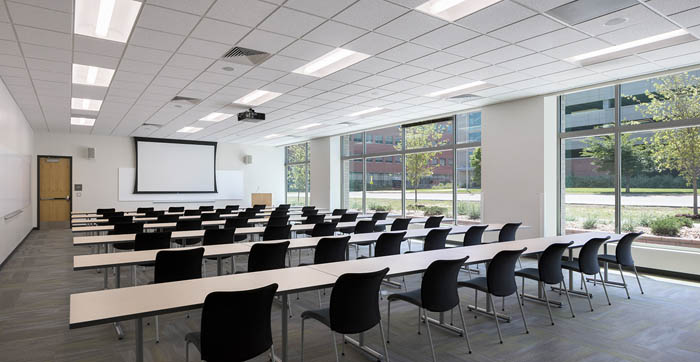
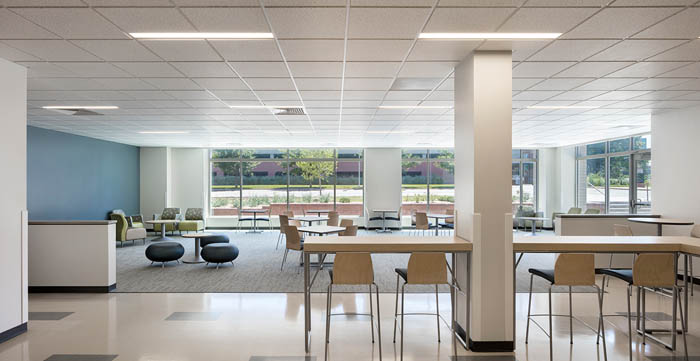
The building includes a diverse mix of specialized spaces, including classrooms, study areas, teaching laboratories, wet and dry research laboratories, clean rooms, office suites, conference rooms, IT support areas, cryogenic freezer rooms, acid storage facilities, and numerous laboratory support spaces. Mechanical and electrical systems were intentionally designed with additional capacity and carefully coordinated infrastructure pathways to accommodate future growth, equipment upgrades, and evolving research requirements.
The result is a state-of-the-art bioscience facility that strengthens collaboration between academia and industry, supports workforce development, and provides a flexible platform for innovation within one of the nation’s fastest-growing scientific sectors.
This project received multiple industry awards, including:
University of Colorado Denver and Fitzsimons Redevelopment Authority
MOA ARCHITECTURE

Developing the Right Strategy

Planning for Success

Well-Oiled Construction Process

Ensuring Sustained Operations
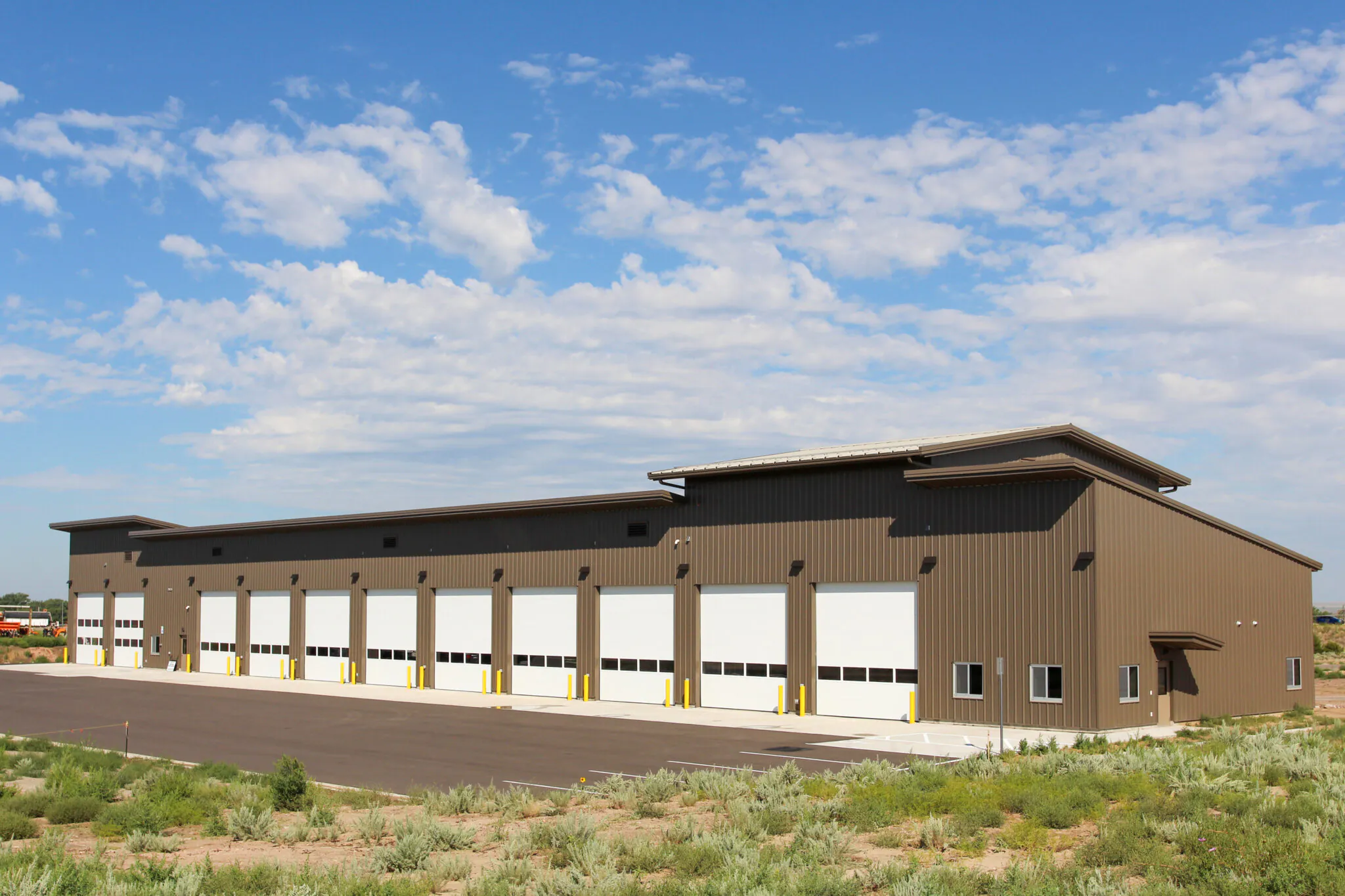
 Brush, Colorado
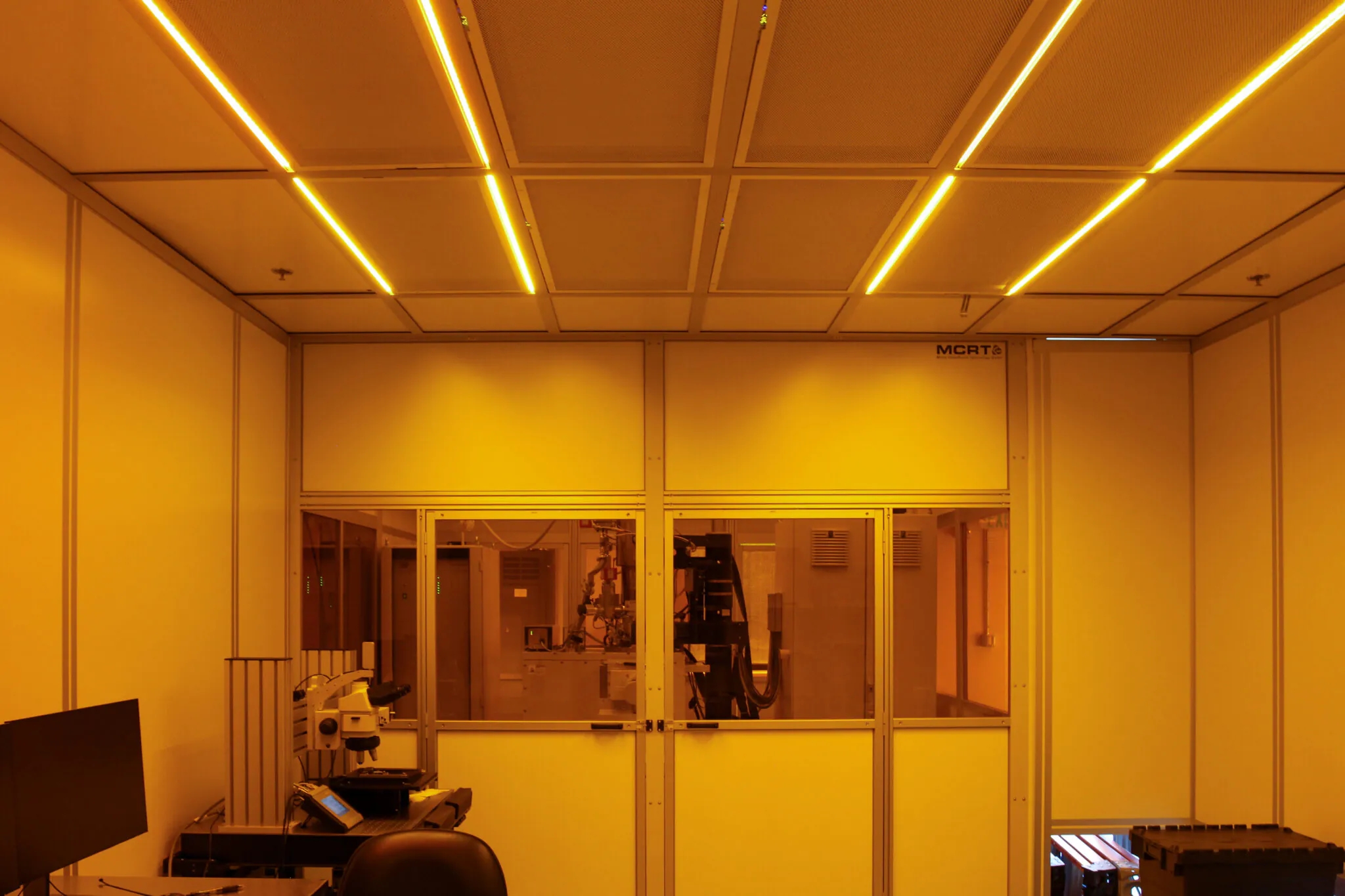 Boulder, Colorado
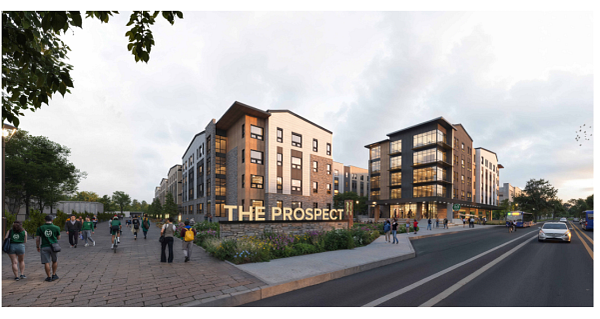 Fort Collins, Colorado