CDOT Brush Vehicle Storage Facility
Delivering a cost-effective maintenance facility through early collaboration and strategic preconstruction planning....
Read More →


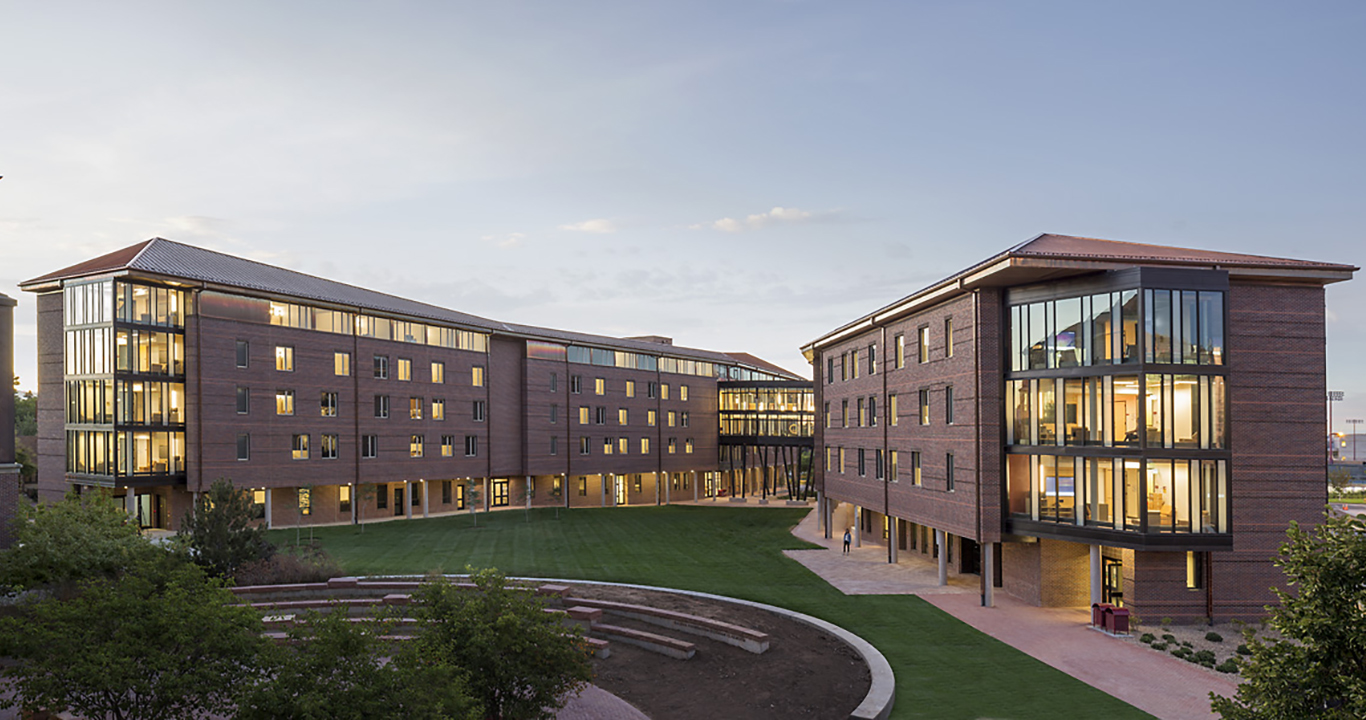

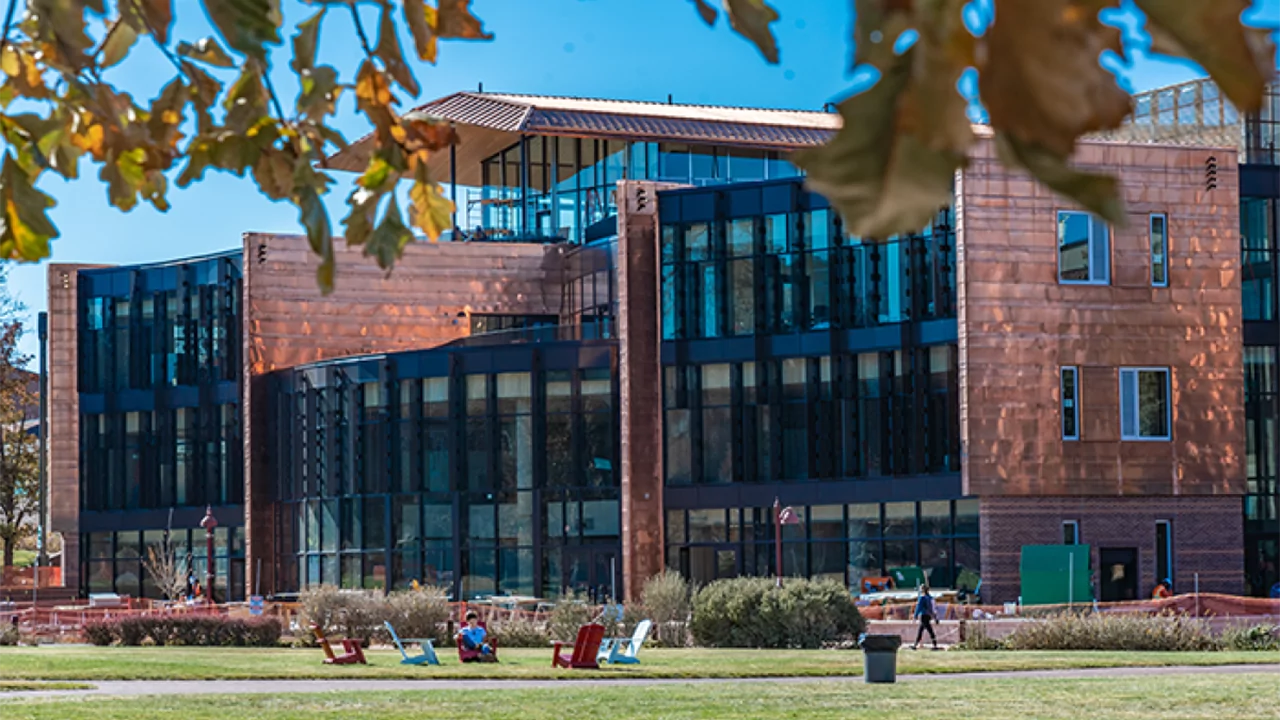
As a cornerstone of the University of Denver’s Denver Advantage Campus Framework Plan, the Community Commons and Dimond Family Residential Village were designed to strengthen student engagement, encourage meaningful connections, and create a more vibrant campus experience. Together, the projects provide transformative spaces for living, learning, dining, collaboration, and community building at the heart of the university.
Located at the center of campus, the 132,000-square-foot Community Commons serves as the University of Denver’s primary destination for student life, support services, dining, and events. Designed by Anderson Mason Dale in association with Moore Ruble Yudell Architects, the facility was envisioned as a place where students, faculty, and staff naturally come together to build relationships and strengthen the campus community.
A key feature of the project is the consolidation of student support services into a single location. Rather than being dispersed across multiple buildings, these services are now centrally housed, allowing staff to provide more coordinated and accessible guidance to students. The building’s interconnected pathways, open gathering spaces, and multistory circulation areas were intentionally designed to encourage spontaneous interactions and collaboration throughout the day.
The four-story facility includes the university’s primary dining venue, featuring nine unique micro-restaurants that offer a wide variety of food options. Additional amenities include undergraduate and graduate student lounges, a dedicated faculty lounge, flexible meeting and programming spaces, and the Grand Forum, a large event venue capable of supporting campus gatherings and special events. The fourth floor extends the student experience outdoors through a rooftop gathering space that offers sweeping views of campus and creates opportunities for social engagement and relaxation.
Sustainability and campus connectivity were also central to the design. Approximately 30 percent of the roof area is covered with vegetation, creating a green roof that supports environmental performance while enhancing the campus landscape. The project also restored access to the Driscoll Bridge, a heavily traveled pedestrian connection that links directly to the second floor of the building and accommodates thousands of crossings each day.
This project received LEED Silver Certification in 2022.
Designed to support the transition to university life, the Dimond Family Residential Village creates a residential experience focused on connection, community, and belonging for first-year students. The facility includes more than 250 rooms and can accommodate over 500 residents, while serving as a hub for engagement among the university’s approximately 1,500 first-year students.
The residence hall is organized around a unique living model that divides students into six distinct houses and 21 smaller residential pods. Each pod includes more than 20 student rooms and a shared lounge, creating smaller communities that encourage interaction, dialogue, and peer support. Additional common spaces, study areas, a Village Kitchen, and a large outdoor gathering space provide opportunities for both structured programming and informal social connections.
Architectural details throughout the building reinforce its sense of identity and community. Distinctive features include exposed concrete columns intentionally textured for durability, a dramatic fourth-floor bridge designed to resemble a tree canopy complete with a “treehouse” gathering space, and a “workers wall” that honors the more than 800 individuals who contributed to the project’s construction.
The project also generated significant economic and community impact. Working closely with the university, Saunders developed a diverse business participation program that greatly exceeded its goals, resulting in substantial opportunities for minority-, women-, veteran-, and small-business partners throughout the project.
Sustainability initiatives include rooftop solar energy systems and individual utility metering for each residential house, creating opportunities for students to engage directly with energy conservation through friendly competition and educational programming.
This project received the 2022 Design Award of Merit from AIA Colorado and LEED Gold Certification in 2020.
Collectively, the Community Commons and Dimond Family Residential Village received multiple industry awards, including:
University of Denver
Moore Ruble Yudell Architects and Anderson Mason Dale Architects

Developing the Right Strategy

Planning for Success

Well-Oiled Construction Process

Ensuring Sustained Operations
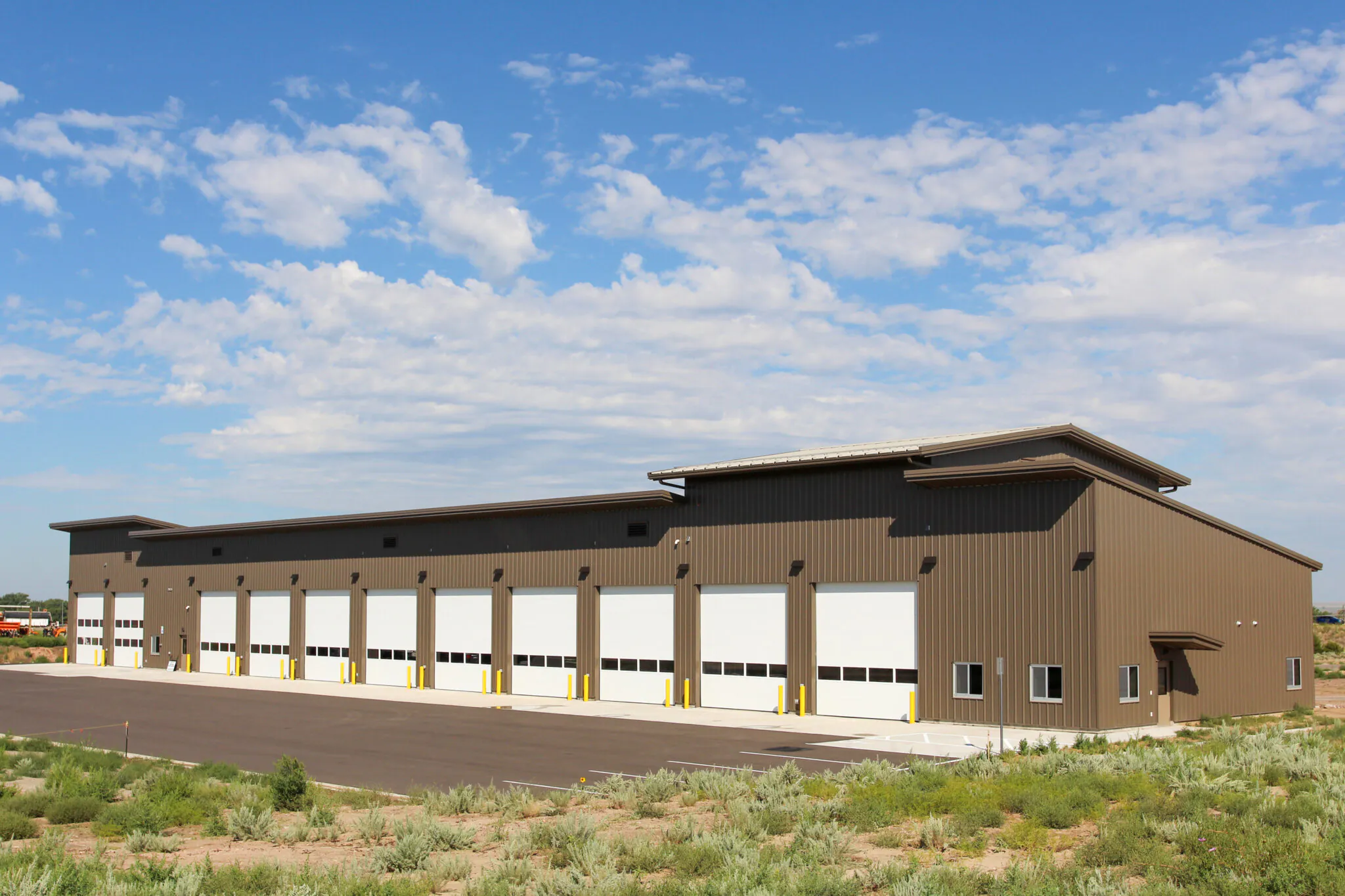
 Brush, Colorado
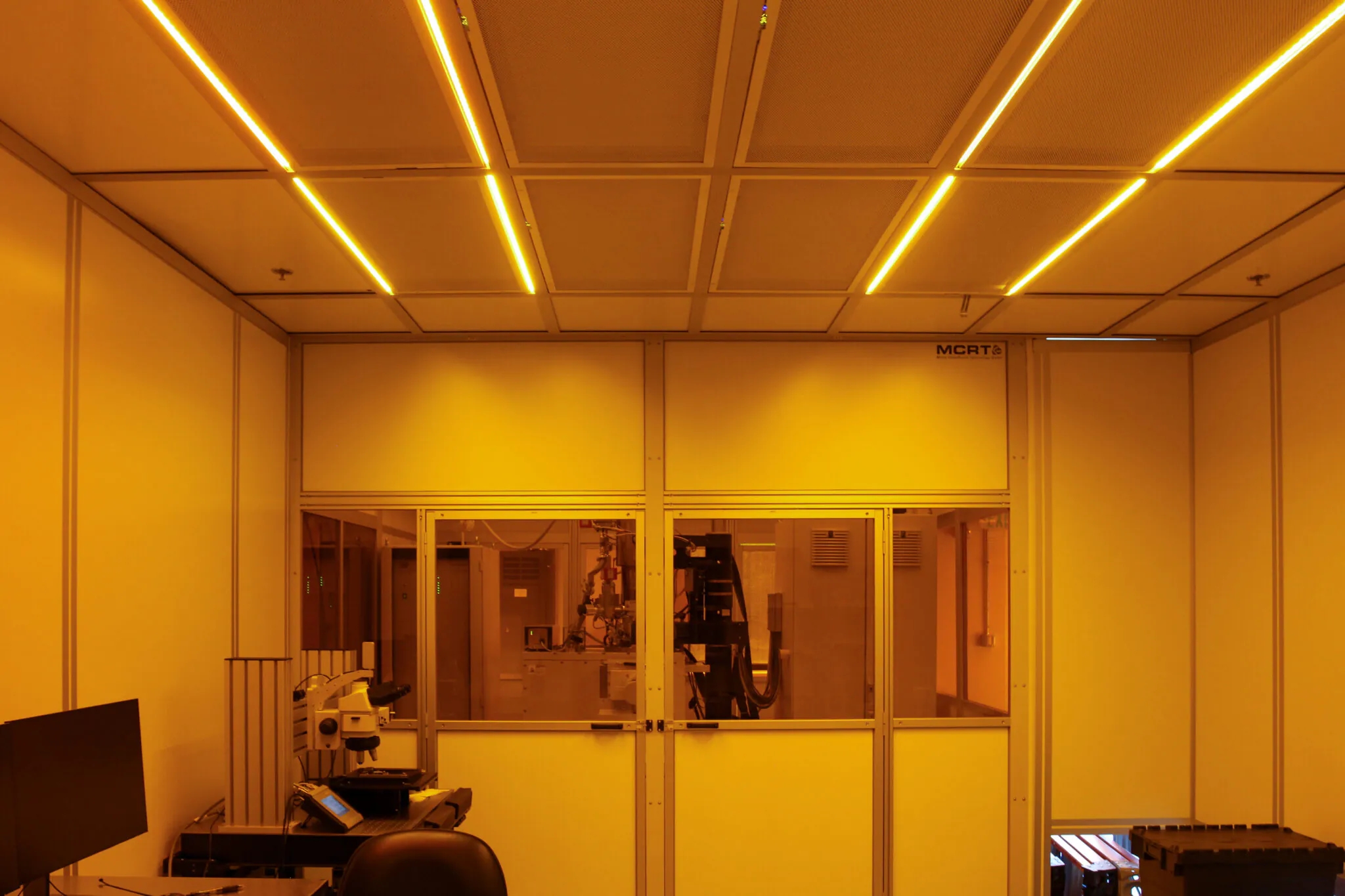 Boulder, Colorado
 Loveland, Colorado