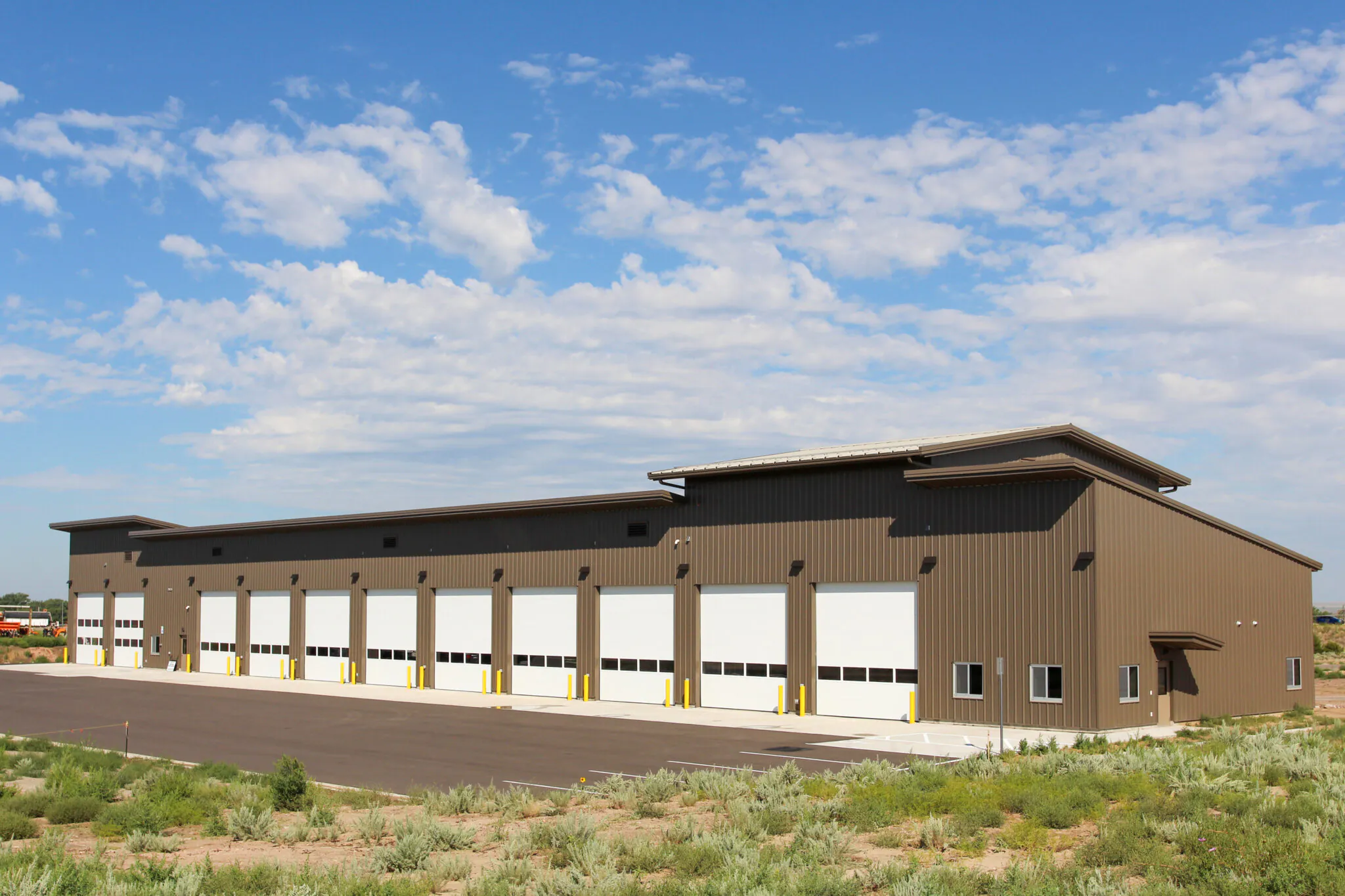
CDOT Brush Vehicle Storage Facility
Delivering a cost-effective maintenance facility through early collaboration and strategic preconstruction planning....
Read More →


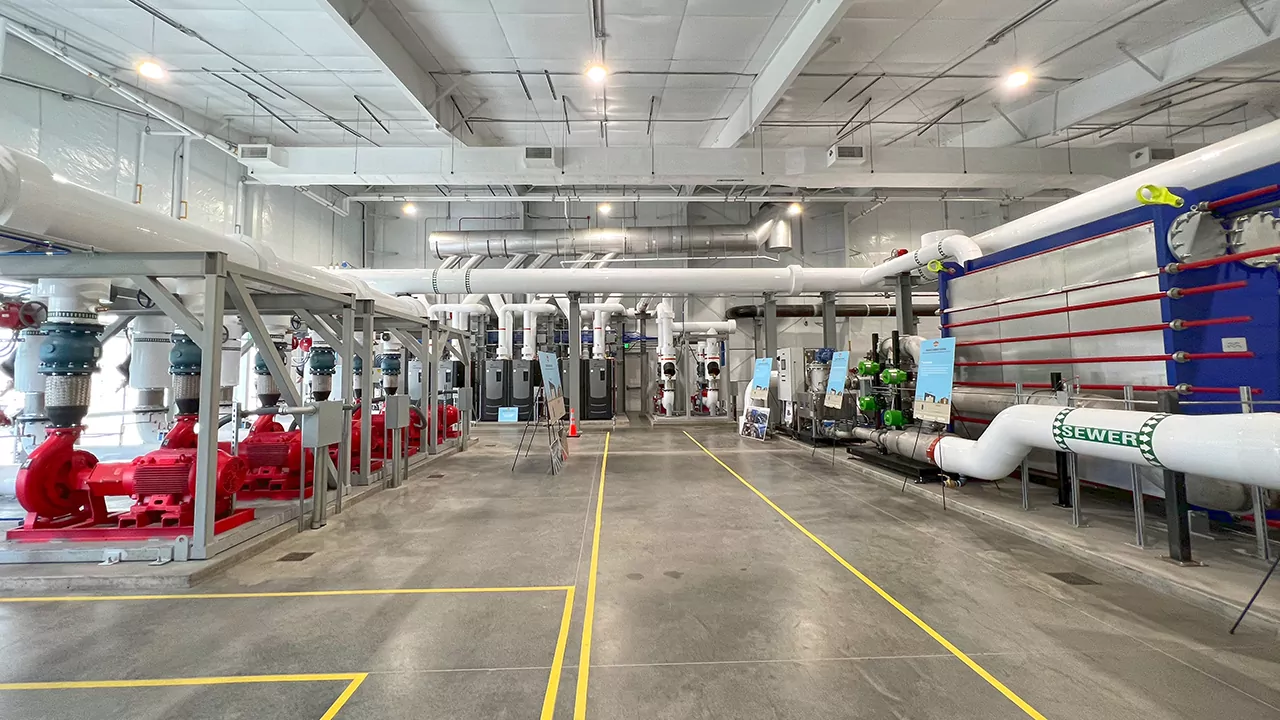
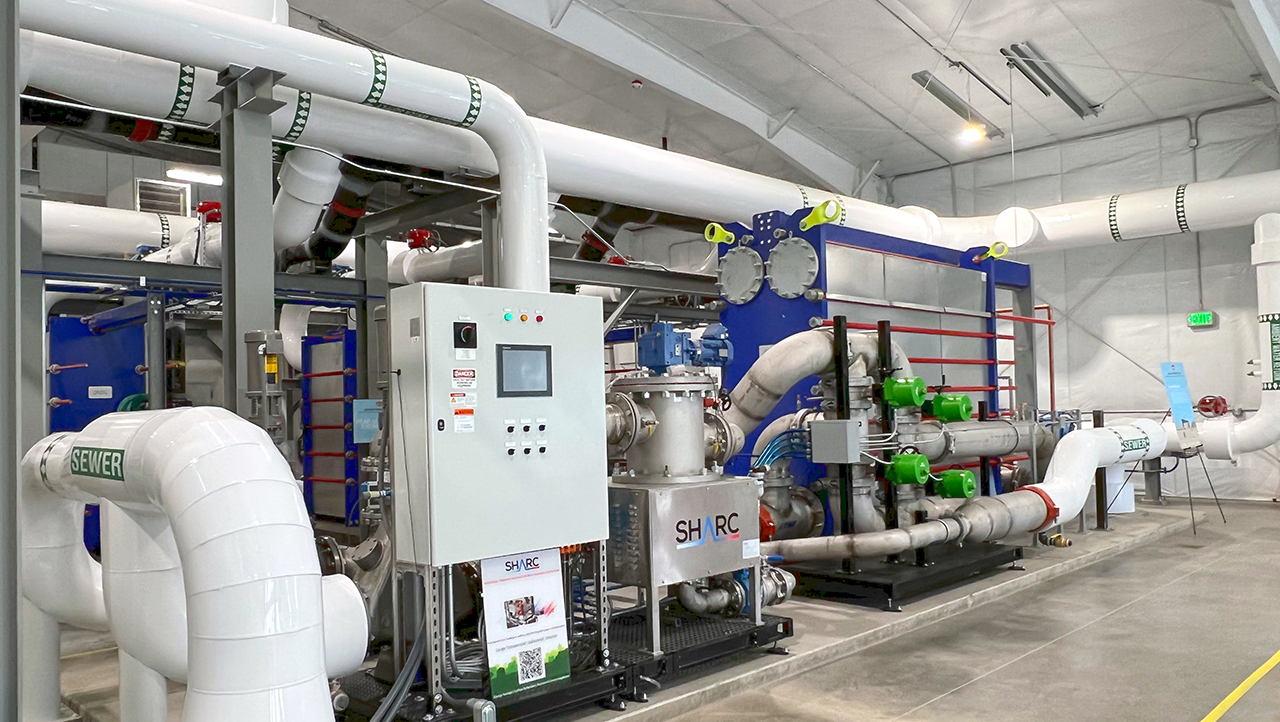
The National Western Center is a transformative year-round destination dedicated to advancing agriculture and food innovation, celebrating western heritage and culture, and fostering education, research, and community engagement. As one of the most ambitious sustainability initiatives in the country, the campus serves as a model for how large-scale developments can integrate cutting-edge infrastructure with long-term environmental stewardship.
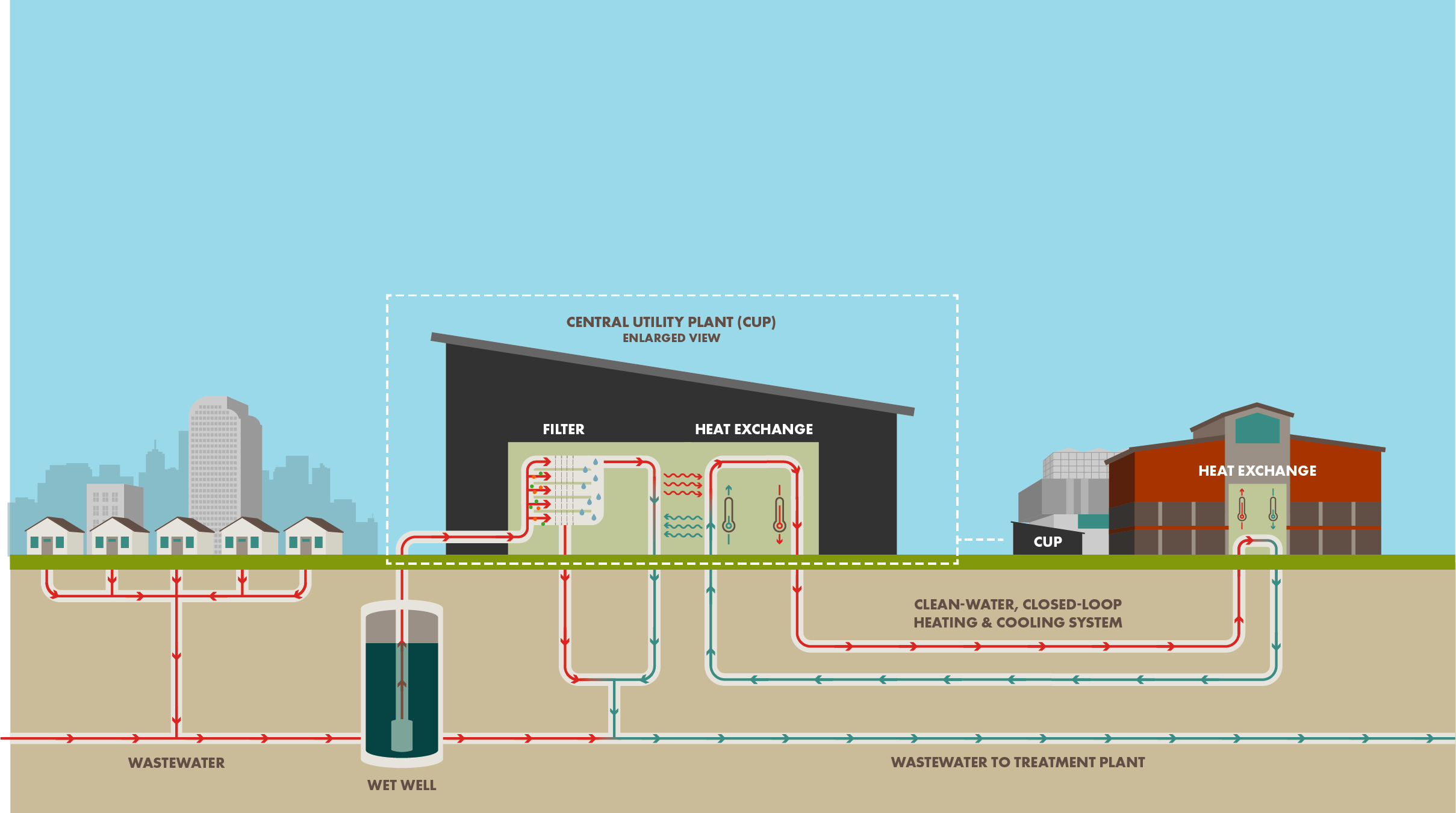
A cornerstone of the campus’s sustainability strategy is its innovative wastewater heat recovery system, the largest of its kind currently operating in the United States. The system utilizes the existing Delgany Interceptor, a 72-inch-diameter wastewater pipeline, as a renewable energy source to provide approximately 90 percent of the campus’s heating and cooling needs. By capturing and repurposing thermal energy that would otherwise be lost, the system dramatically reduces energy consumption and carbon emissions while providing a reliable, resilient source of climate control for the campus.
The wastewater heat recovery network currently serves seven buildings across the National Western Center campus and was intentionally designed with future expansion in mind. This scalable infrastructure positions the campus to accommodate continued growth while maintaining its commitment to sustainability and operational efficiency.
Beyond its technical achievements, the energy system supports the National Western Center’s broader mission of innovation and education. By demonstrating how existing infrastructure can be transformed into a renewable energy resource, the project serves as a living laboratory for sustainable development and environmental responsibility.
The WHR system is composed of three primary elements:
On extreme hot/cold days, this system is supplemented by high-efficiency natural gas boilers and chillers, which ensures reliability and competitive cost. The success of this project required coordination between the City and County of Denver, the National Western Center Authority, National Western Stock Show, Colorado State University, Metro Water Recovery, CenTrio, AECOM, and Saunders.
The project received multiple industry awards, including:
CenTrio Energy & National Western Center Authority
AECOM

Developing the Right Strategy

Planning for Success

Well-Oiled Construction Process

Ensuring Sustained Operations
 Brush, Colorado
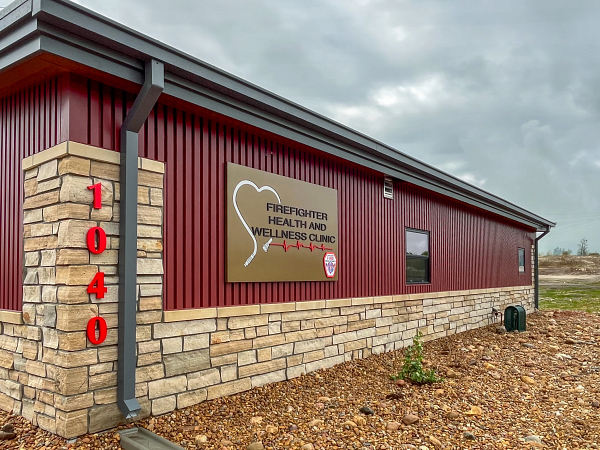 Loveland, Colorado
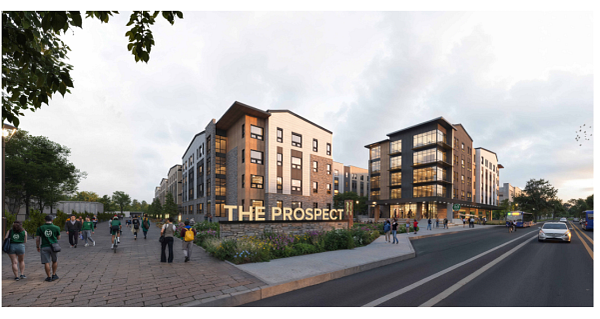 Fort Collins, Colorado