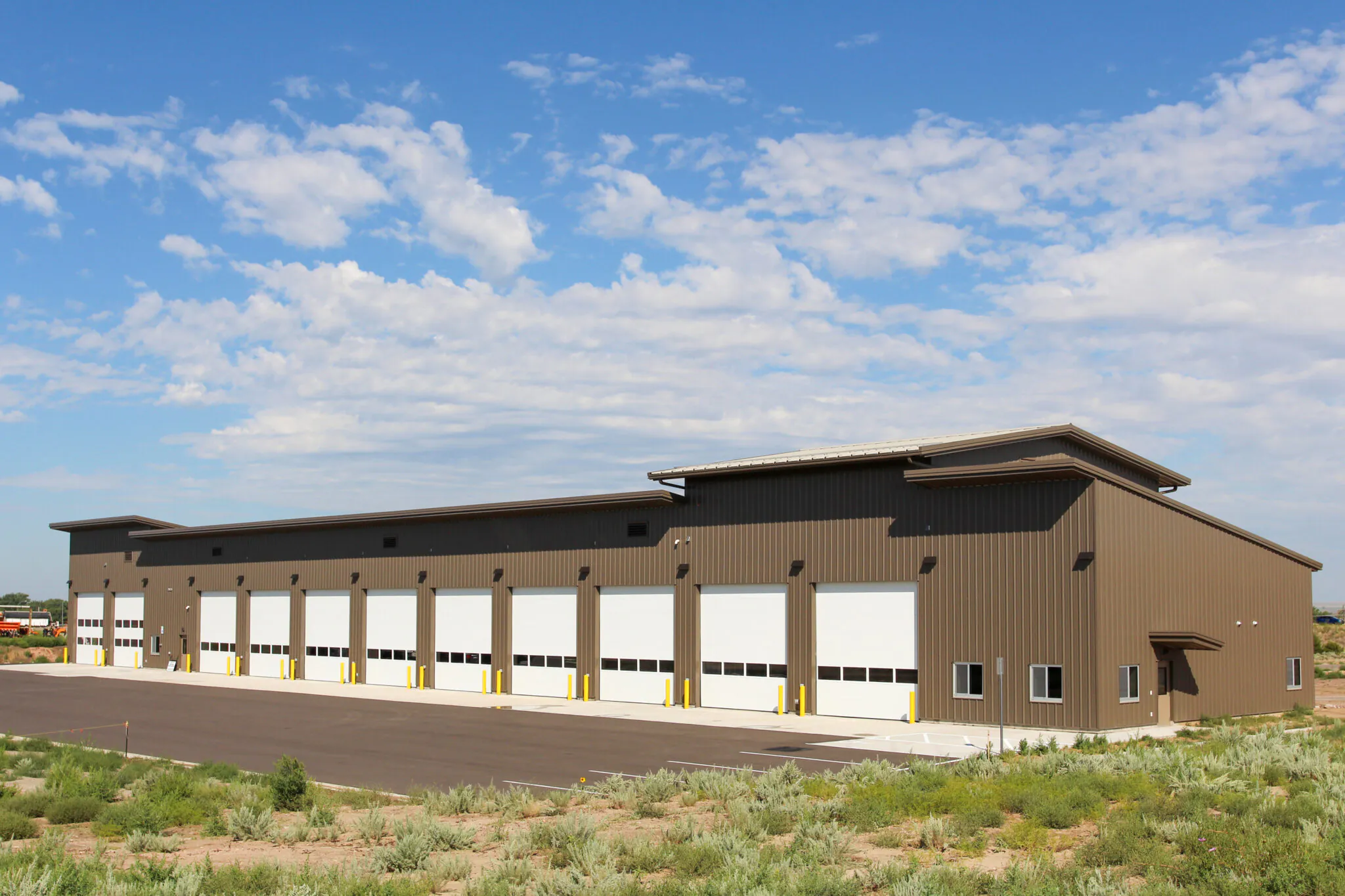
CDOT Brush Vehicle Storage Facility
Delivering a cost-effective maintenance facility through early collaboration and strategic preconstruction planning....
Read More →


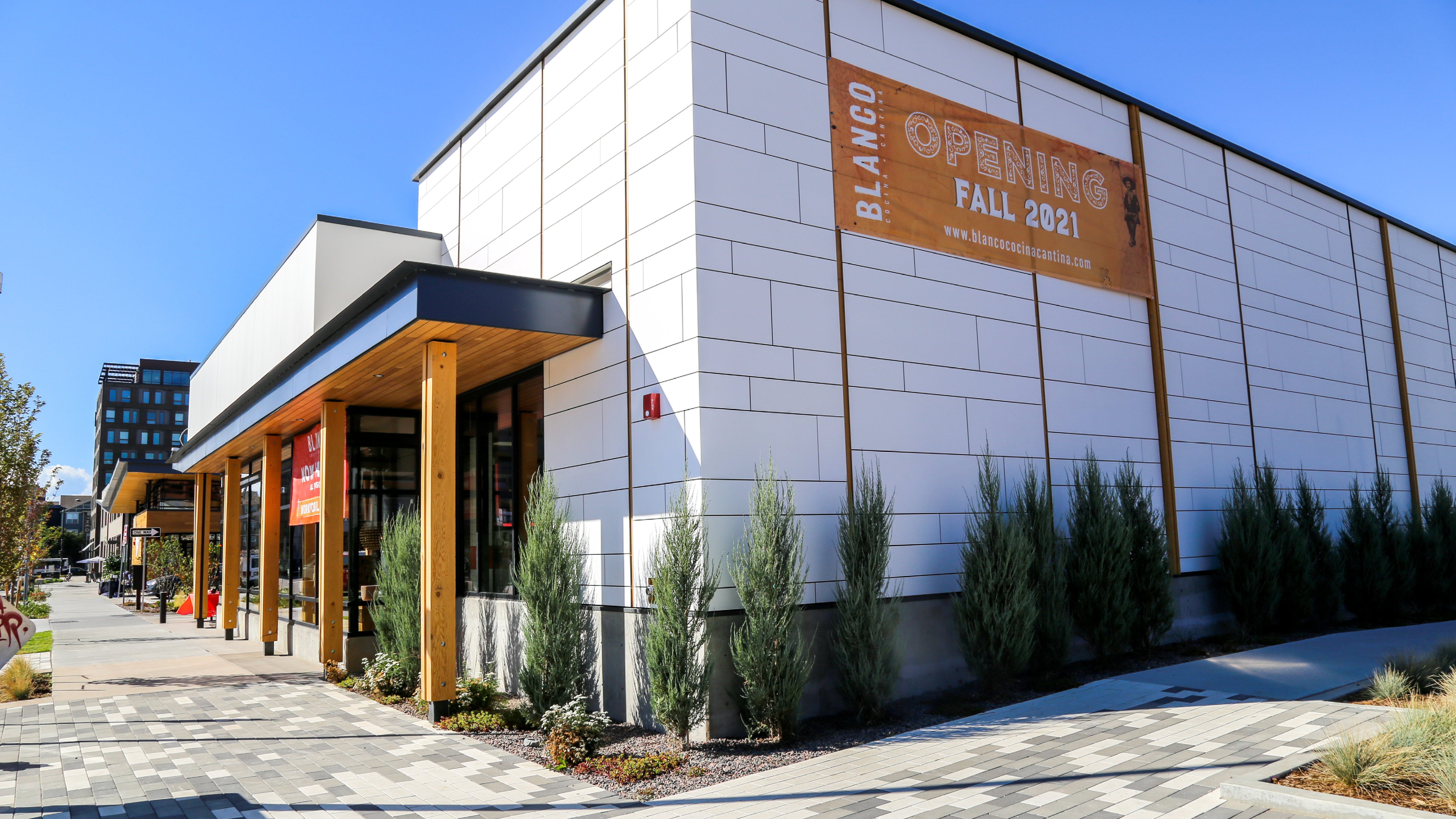


This 26-acre urban infill redevelopment transformed the former University Medical Center campus in Denver’s Hale neighborhood into a walkable mixed-use district featuring residential, retail, office, hospitality, and public gathering spaces. Vacant since the medical center relocated to the Anschutz Medical Campus, the site presented a unique opportunity to revitalize a prominent property and create a new community destination within the city.
Developed by Continuum Partners and CIM Group, the project began with extensive demolition, environmental remediation, and infrastructure improvements designed to prepare the site for future development. Saunders completed the environmental abatement and demolition of 15 buildings totaling nearly 2 million square feet, while also performing interior demolition within three structures that were preserved and repurposed as part of the redevelopment.
To support the transformation of the site, Saunders constructed major infrastructure improvements, including new utilities, roadways, a two-block underground parking structure, and the systems necessary to support future vertical development. The infrastructure package included approximately 12,000 linear feet of curb and gutter, 30,000 square feet of sidewalks, more than 23,000 square yards of asphalt paving, and four stormwater storage systems with a combined capacity exceeding 128,000 cubic feet.
The master-planned community was designed to accommodate between 900 and 1,100 residential units, 250,000 square feet of retail space, and 125,000 square feet of office space. The redevelopment emphasizes walkability, bike connectivity, open green space, and a diverse mix of uses that encourage activity throughout the day. Residential, office, retail, restaurant, hotel, and public spaces are thoughtfully integrated to create a vibrant urban environment.
Retail offerings were curated to include a mix of national, regional, and local businesses, helping establish a distinctive neighborhood identity while supporting economic growth. Supported in part through tax-increment financing administered by the Denver Urban Renewal Authority, the approximately $419 million redevelopment stands as a landmark example of urban revitalization and adaptive reuse.
The result is a thriving mixed-use community that has reactivated a long-vacant site, strengthened neighborhood connectivity, and created a dynamic destination that serves residents, businesses, and visitors alike.
This project received multiple industry awards, including:
Continuum Partners and CIM Group
Shears Adkins Rockmore

Developing the Right Strategy

Planning for Success

Well-Oiled Construction Process

Ensuring Sustained Operations
 Brush, Colorado
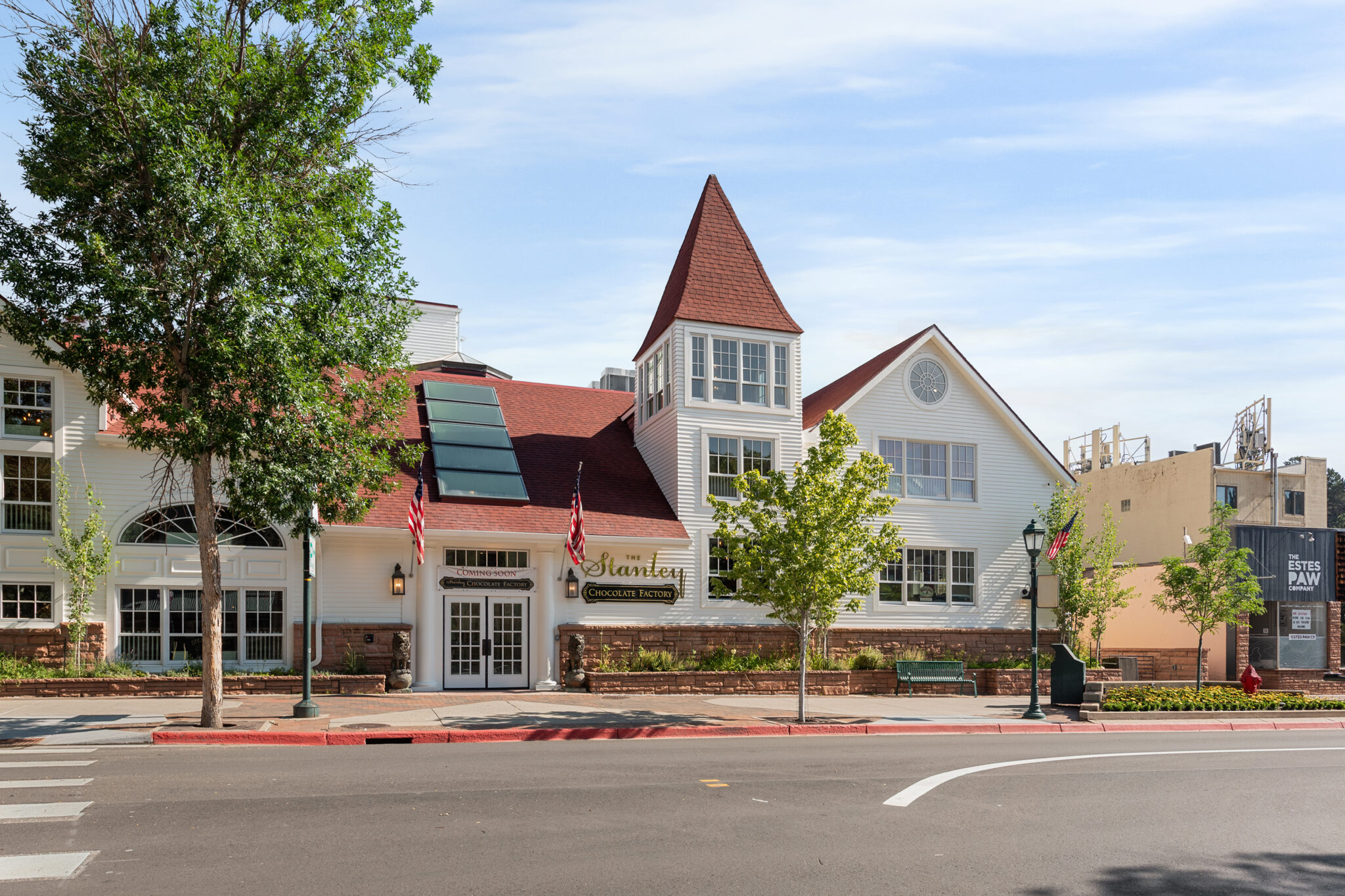 Estes Park, Colorado
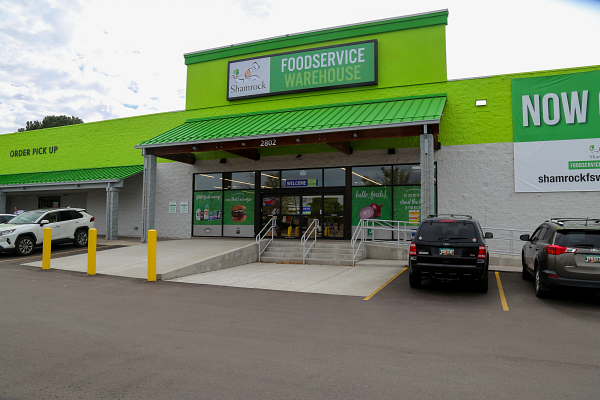 Multiple Locations